Our Mutt Monday Dog Nyla Will Capture Your Heart If You Adopt Her

Our Mutt Monday dog Nyla will capture you heart if you adopt her. Meet Nyla! This sweet girl is full of energy and enthusiasm for life. She has captured our hearts, and we are sure she will get yours, too. While she is super playful, sweet and outgoing, Nyla will need a special owner. She came to us with a broken leg, and it is still healing. After weeks of treatment and love, our vets have said she is ready to go home! She will be on restricted activity for another couple of weeks and will need another vet check, but we don’t want to keep her from her family any longer. Are you the one meant to take care of this special girl? She is a two year old, 57 pound pit mix. Thanks to the Pit Project, her adoption fee is $75. You must own your home to adopt Nyla.
Where Pet Pal Animal Shelter Is
Every Monday we highlight a dog that is available for adoption at Pet Pal Animal Shelter. Goose is our Mutt Monday dog this week and he is available at Pet Pal Animal Shelter in St. Pete. Pet Pal’s Mission Statement is, “Our mission is to rescue dogs and cats from shelters that may otherwise be euthanized due to time limitations, illness, injuries or lack of socialization and training. We are dedicated to educating the public about the pet overpopulation crisis, the importance of spaying/neutering, and responsible pet ownership.”
Finally, Pet Pal is open from Tuesday through Saturday from 11 a.m. – 4:30 p.m. They are closed on Sunday and Monday. Pet Pal is located at 405 22nd Street South in St. Pete. They also have a thrift store that supports the efforts of the shelter.
When you go to a shelter to look for an animal, seeing all the dogs will be emotional. Getting an animal is a huge life decision but it is also a gratifying one as well.

Tick Season Will Be Extra Brutal - How to Protect Yourself
Do This Before You Go Outdoors
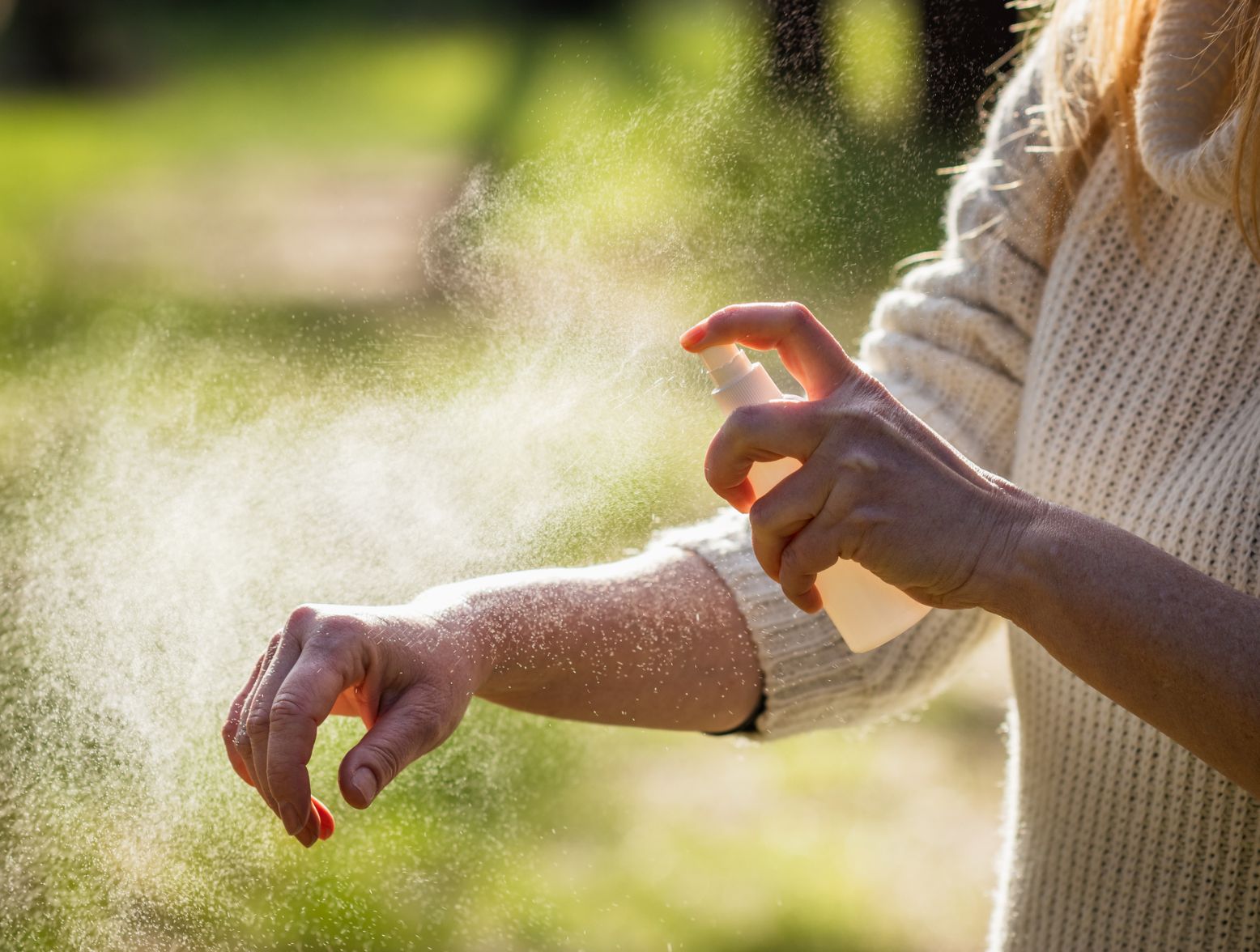
If you’re going outdoors, make sure to take precautions. The Pennsylvania Department of Health suggests treating clothing and gear with products containing 0.5% permethrin. “Permethrin can be used to treat boots, clothing and camping gear and remain protective through several washings,” they state. Also, use Environmental Protection Agency (EPA)-registered insect repellents with DEET, picaridin, IR3535, Oil of Lemon Eucalyptus (OLE), para-menthane-diol (PMD), or 2-undecanone. Finally, wear light-colored clothing.
Getty Images / Zbynek-Pospisil
Avoid Areas That Ticks Love
Of course, the best thing to do is to avoid any contact with ticks. So, try to avoid wooded and brushy areas with high grass or fallen leaves. If you are in those areas, walk in the center of the trails. Just stay away from that tall grass at all costs.

Getty Images / Lee-J-Rouse
After You've Had Fun Outdoors
When you get inside, check your clothing for tickets. Remove any tickets that you find. Also, “Tumble dry clothes in a dryer on high heat for 10 minutes to kill ticks on dry clothing after you come indoors,” according to the Pennsylvania Department of Health. They also suggest to examine gear and pets, shower soon after being outdoors and check your body for ticks after being outdoors. Finally, shower as soon as you come indoors.

Getty Images / Voronchuk-Daria
Where to Find Ticks on Your Body
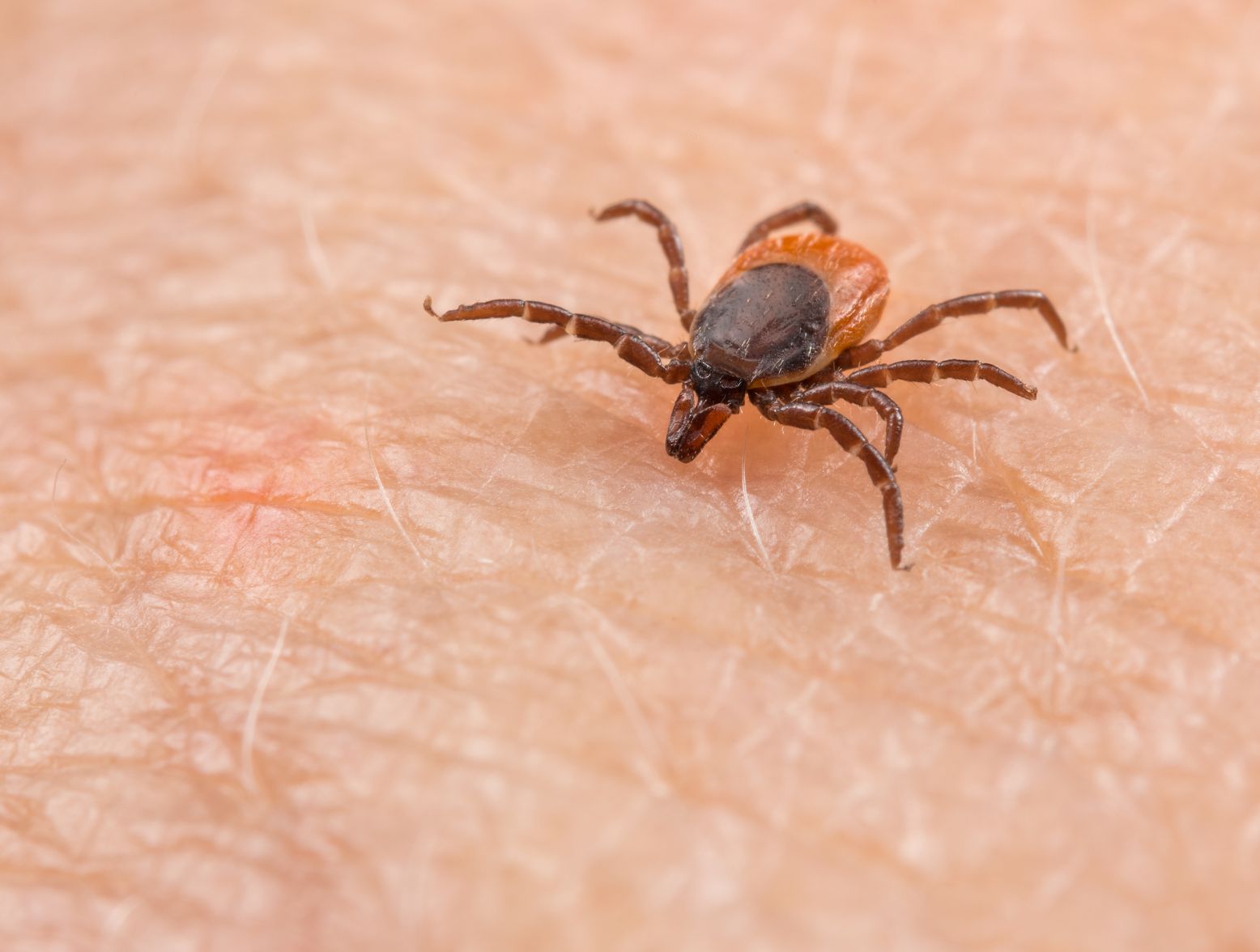
When you come indoors, do that full body check for ticks. They tend to hide under the arms; in and around the ears; inside belly button; back of the knees; in and around the hair; between the legs; and around the waist. That’s according to the Pennsylvania Department of Health.
Getty Images / Ladislav-Kubes
Do This If You Get a Tick Bite
Take it seriously if you get a tick bite. “If you develop a rash or fever within a month of removing a tick, see your doctor as soon as possible,” the Michigan DNR says. “Be sure to tell your doctor about your recent tick bite and when the bite occurred.”

Getty Images / Deagreez
Remain Calm
If you get a tick bite, above all, remain calm. It can be scary, but if you catch it in time, there are things that can help. That’s why it’s so important to do early detection and look all over your body and clothes after being outdoors. So, you don’t have to say no to going out doors, but say no to ticks.

Getty Images / cokacoka